Room to Be an Animal.
Whenever possible, habitats and routines should give animals options instead of forcing every interaction.
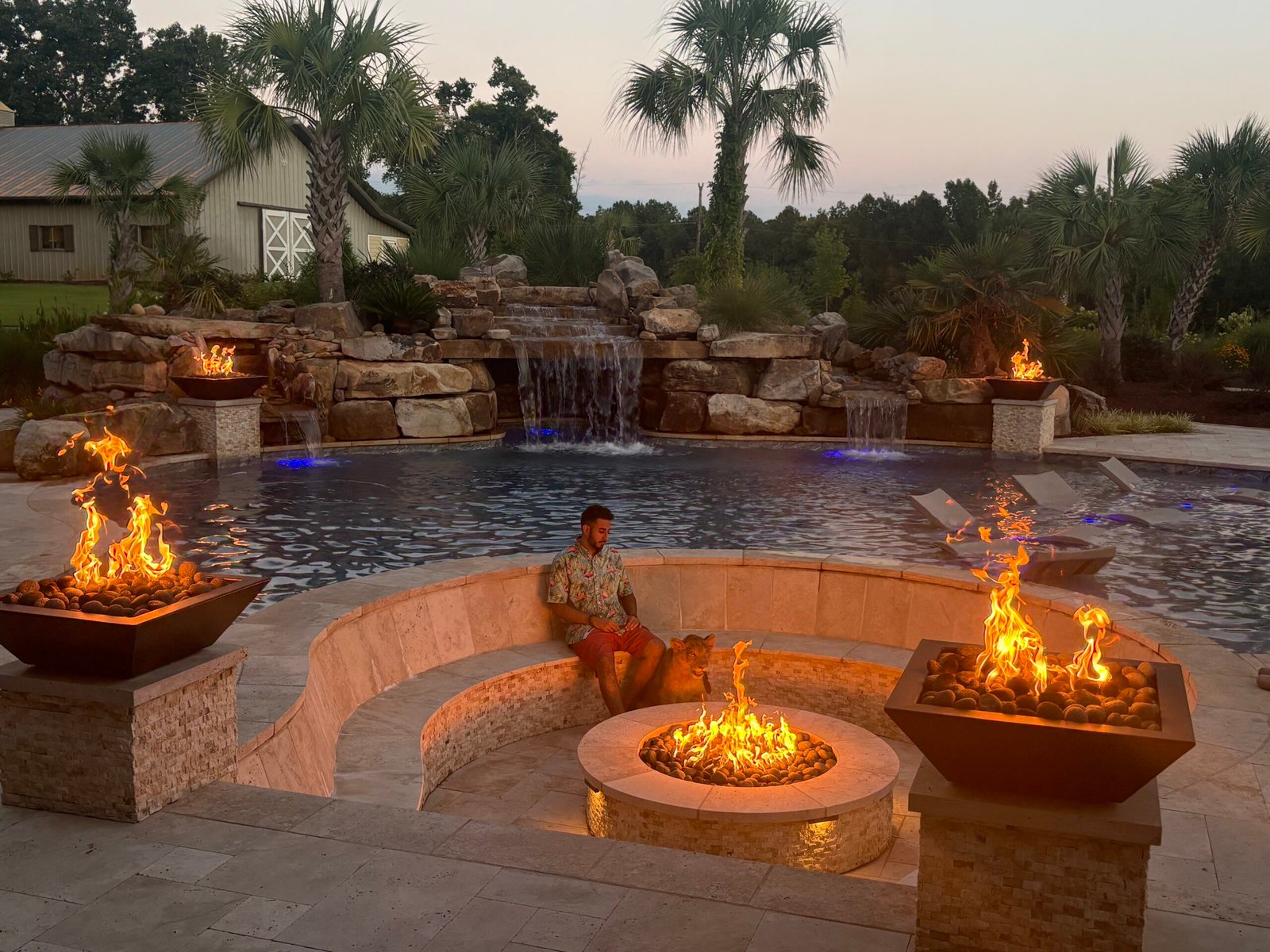
Lifelong animal care
For animals who cannot simply return to the wild, welfare is built through thousands of daily decisions.
The animal comes before the attraction
Milele’s philosophy begins with a tension we do not hide: wild animals belong in the wild. When an animal cannot return there, keeping that animal well demands more than affection.
It requires diet, habitat, veterinary medicine, observation, enrichment, social judgment, maintenance, records, flexibility and the humility to keep asking whether life can be made better.
Behind the scenes · Milele archive
Real moments from the work behind the wildlife: preparation, observation, husbandry, veterinary attention and the unglamorous routines that make lifelong care possible.
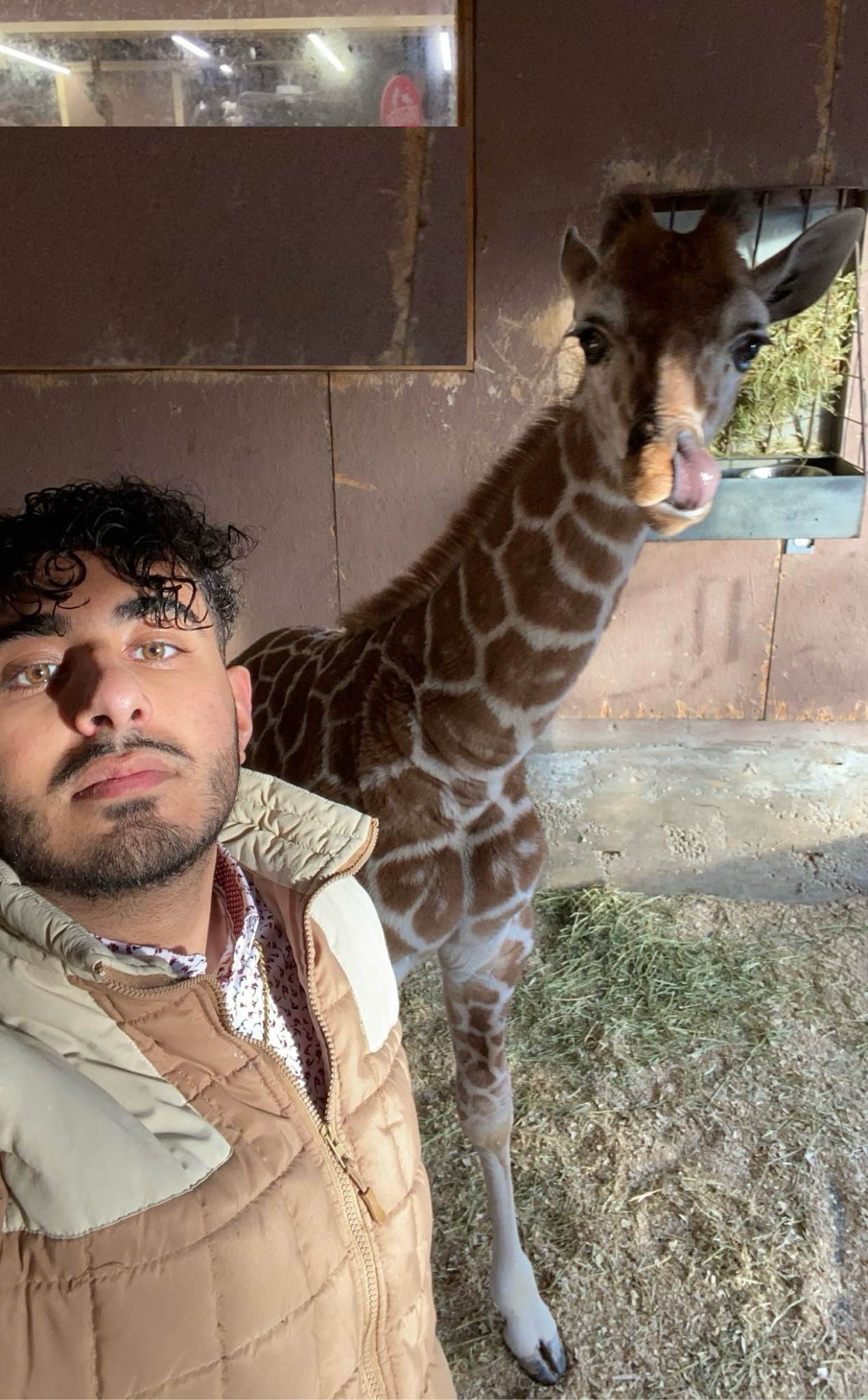
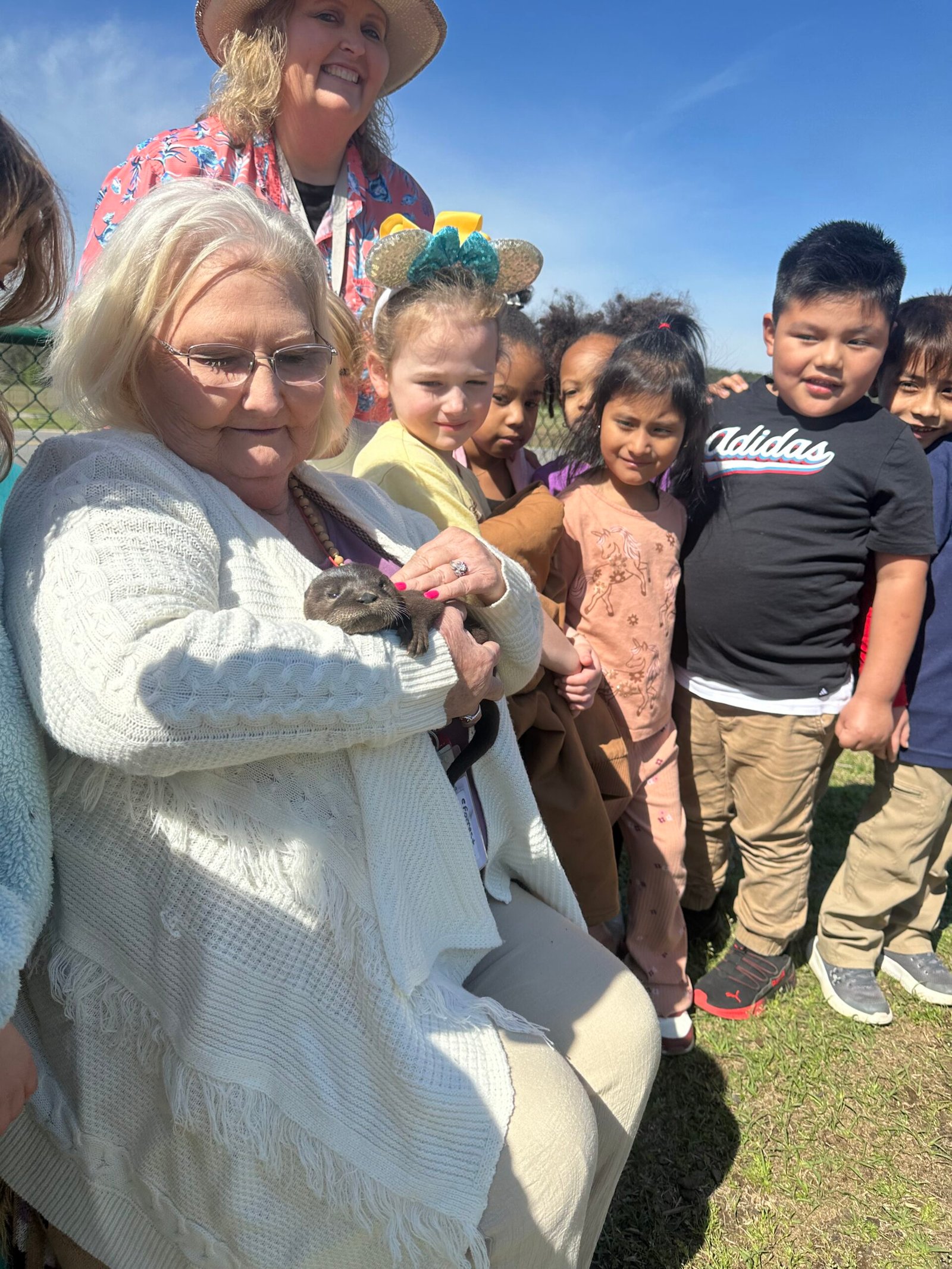
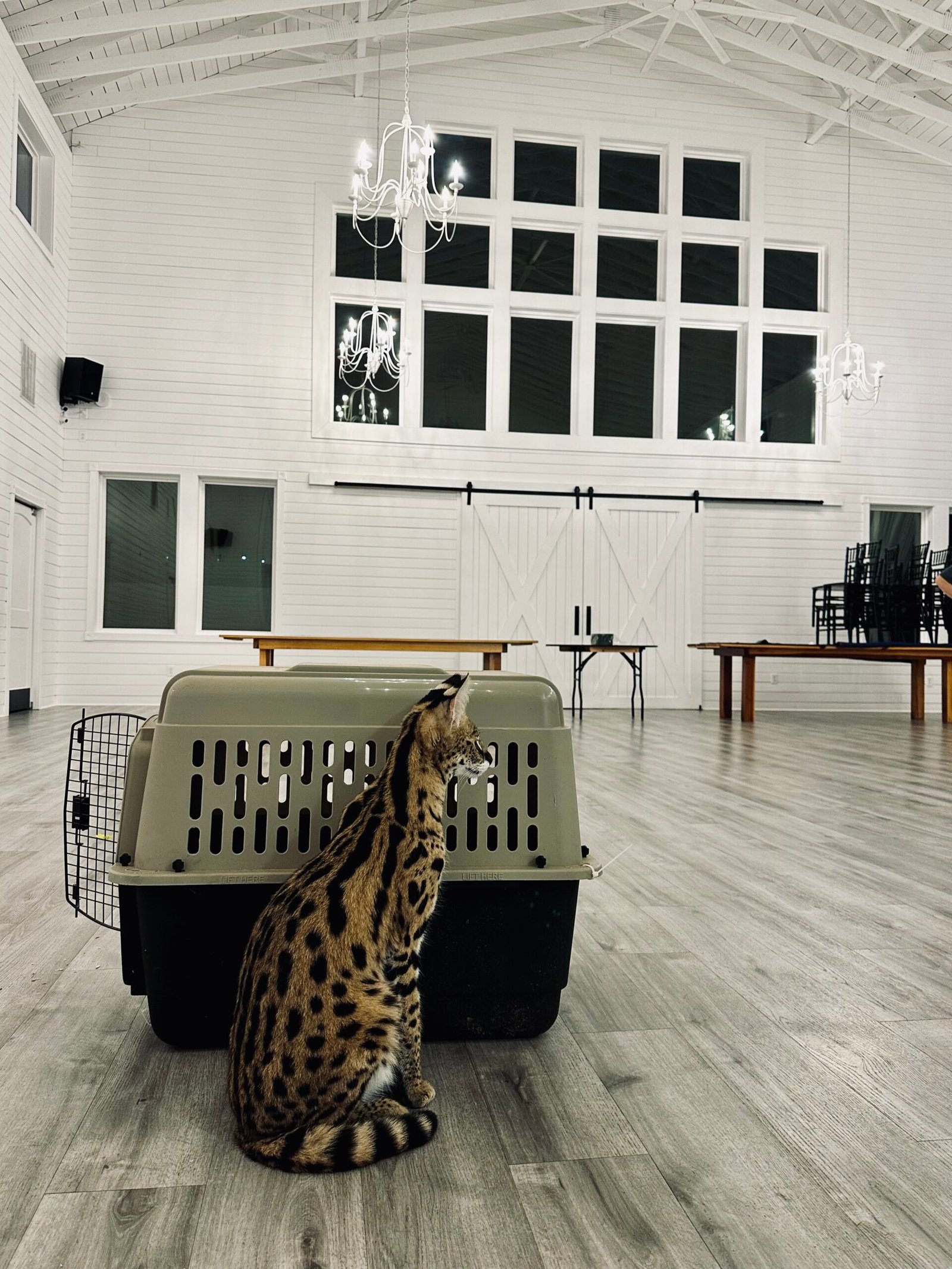
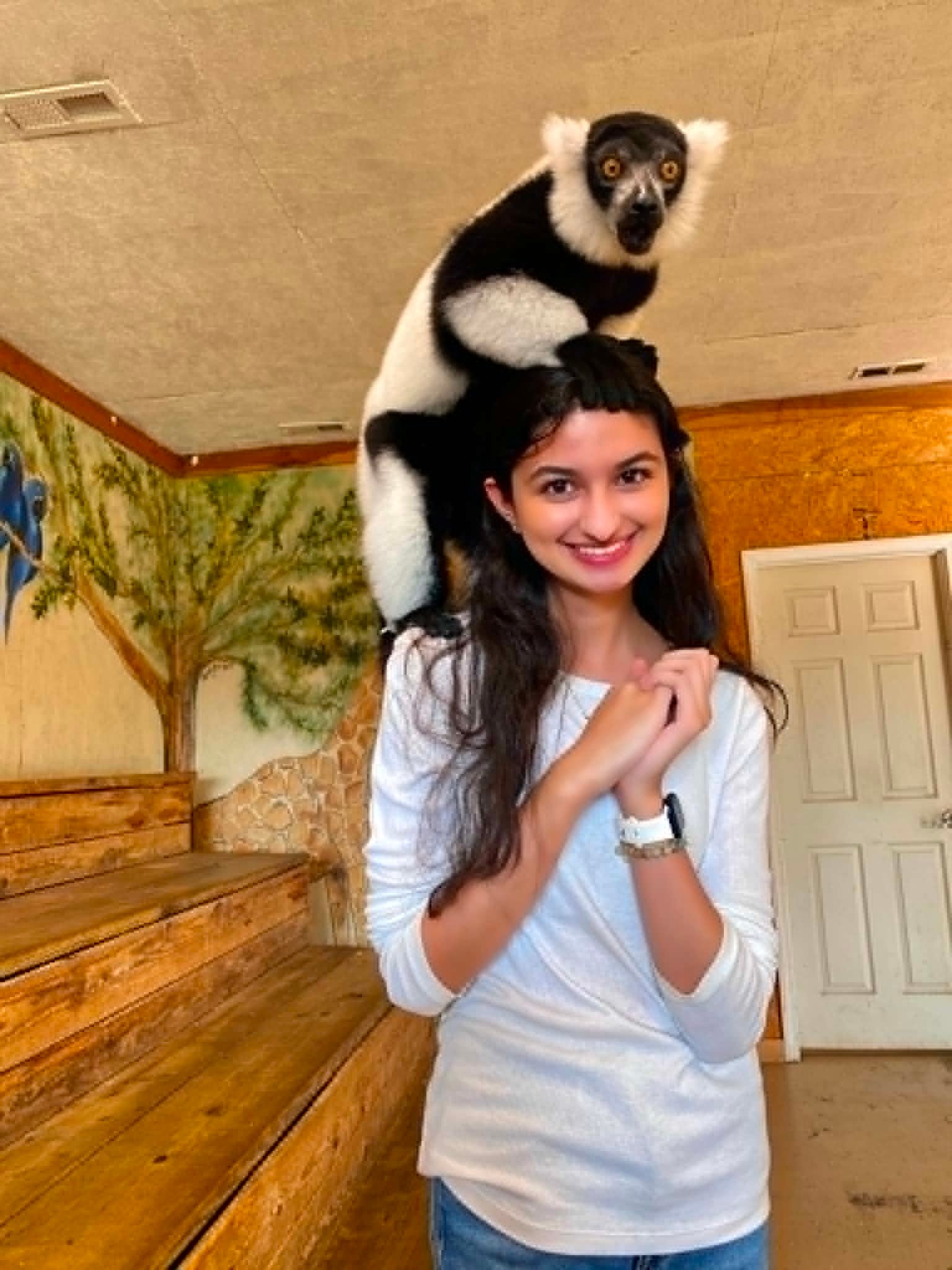
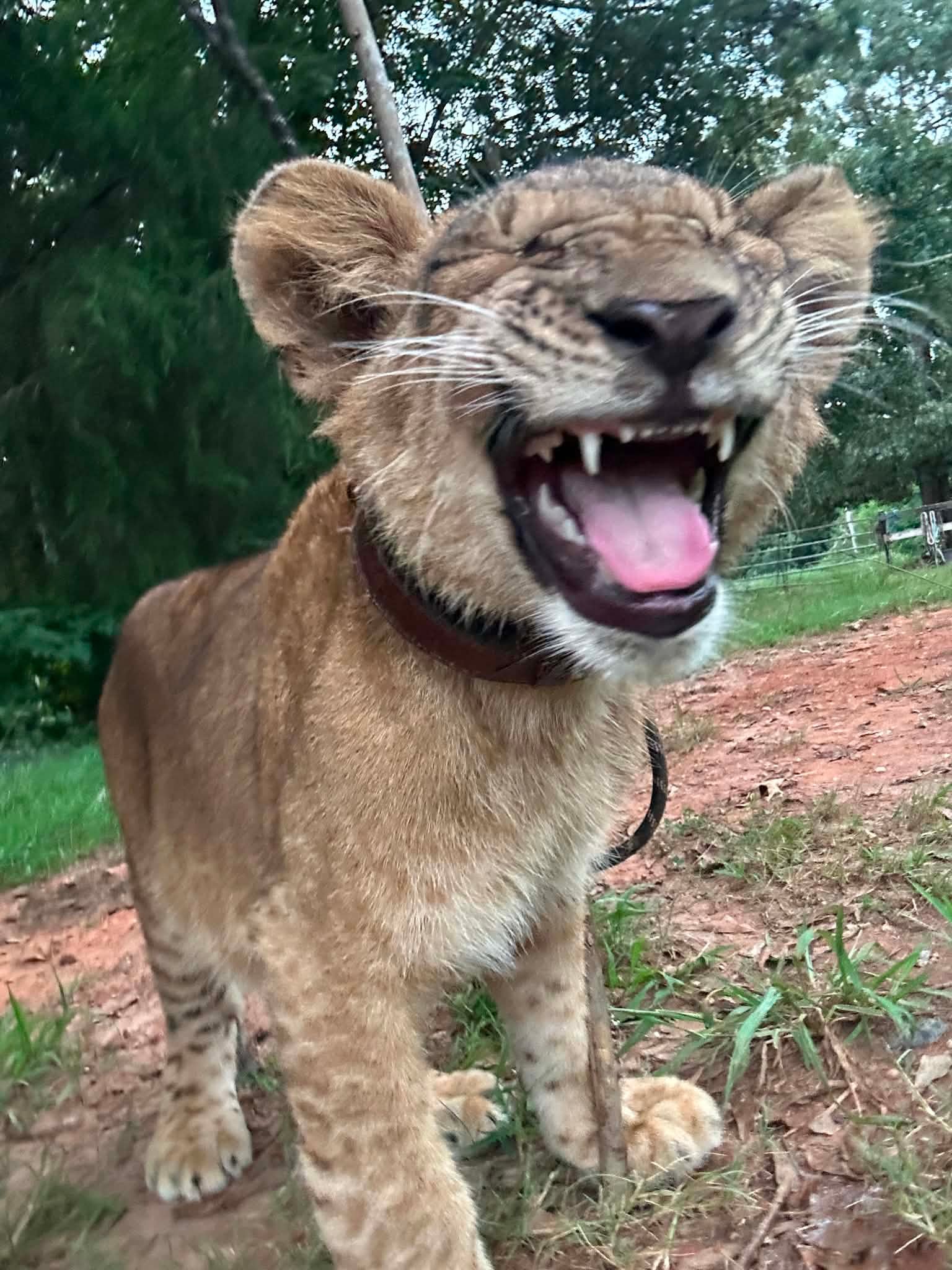
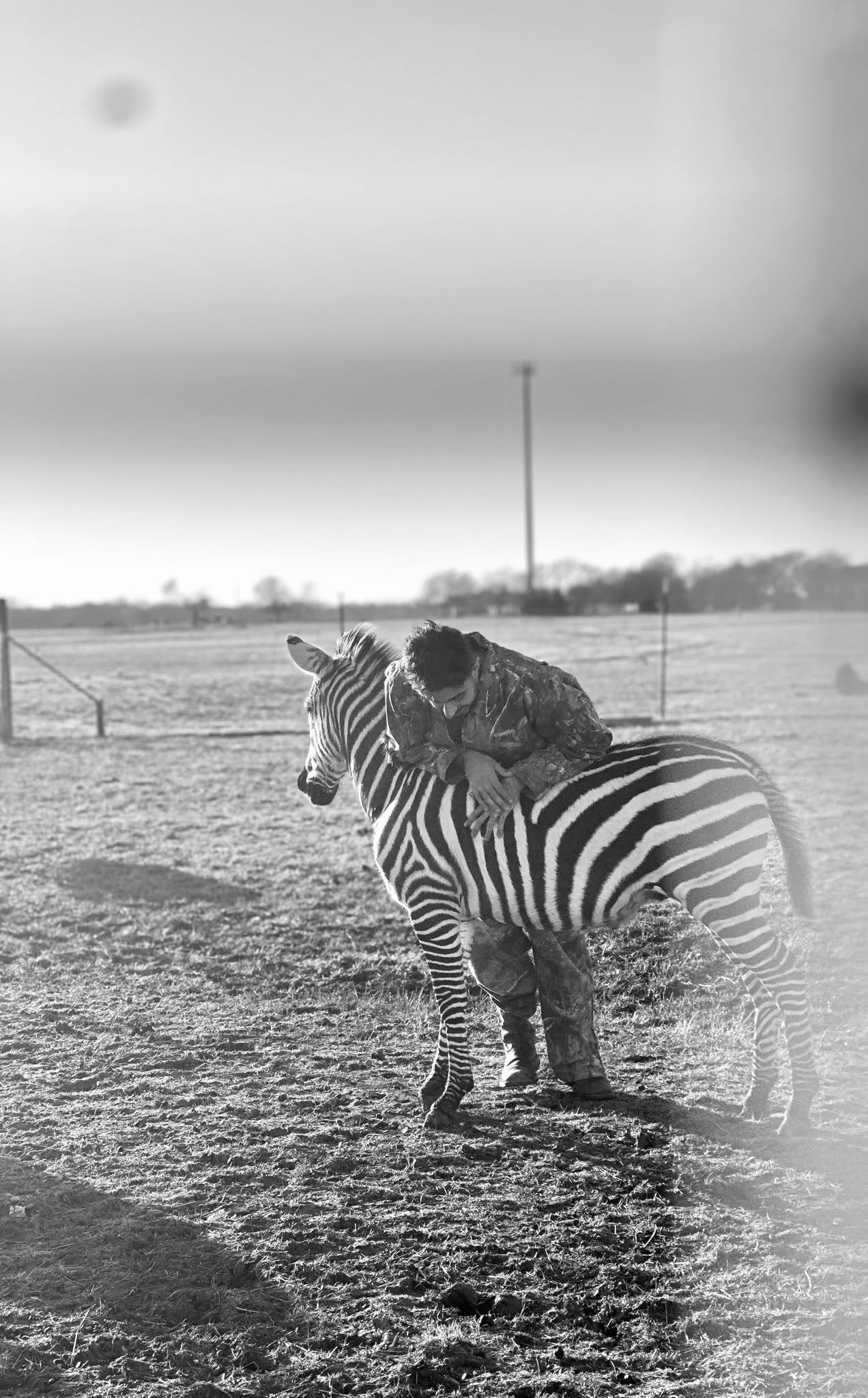
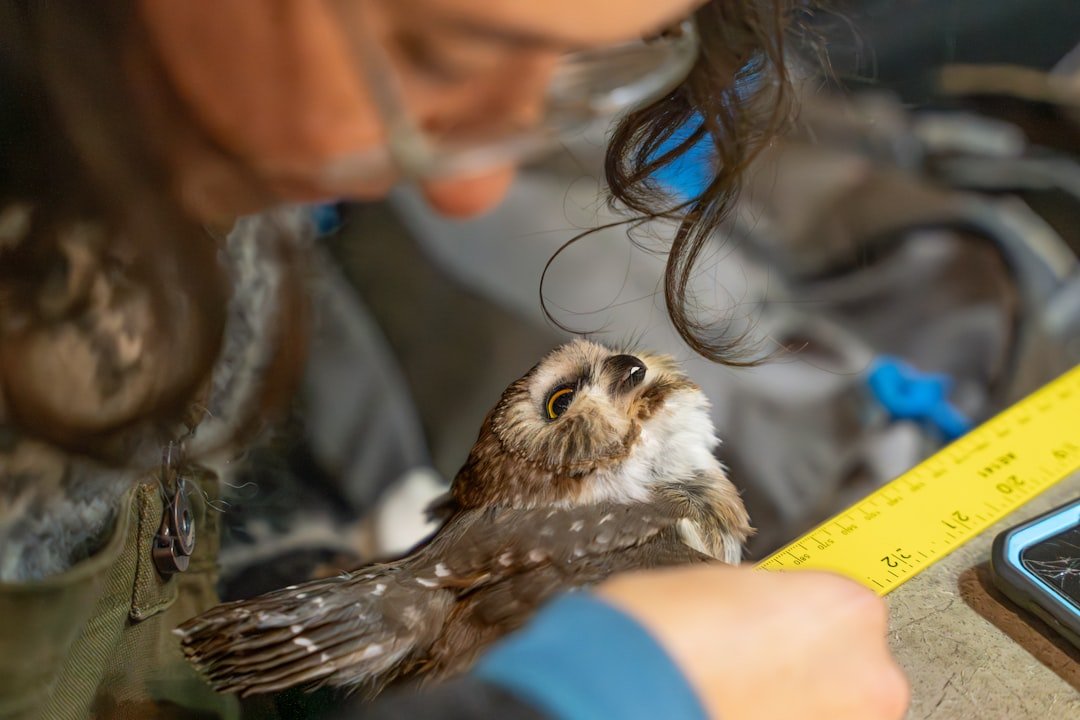
Veterinary care
Good veterinary care is not only what happens during an emergency. It begins with routine observation, preventive decisions, monitoring and knowing an animal’s normal behavior well enough to notice when normal changes.
Treatment decisions are made around welfare: comfort, function, prognosis and what a meaningful life looks like for the individual animal.
Nutrition
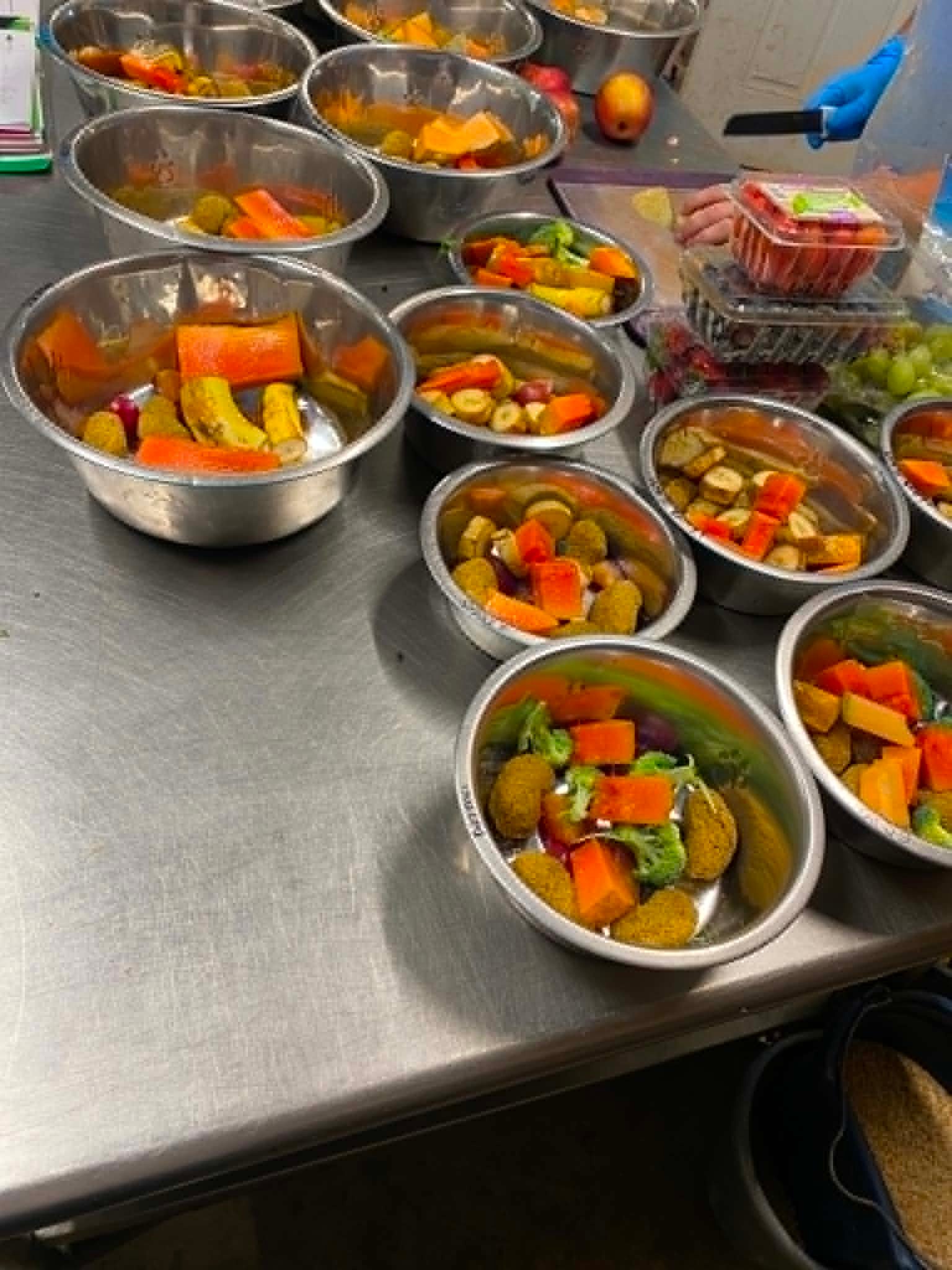
Daily nutrition is one of the least glamorous and most important parts of animal care. Species needs, individual condition, age, activity, medical considerations and food presentation all affect what good feeding looks like.
Preparation is repetitive by design. Consistency is part of care.
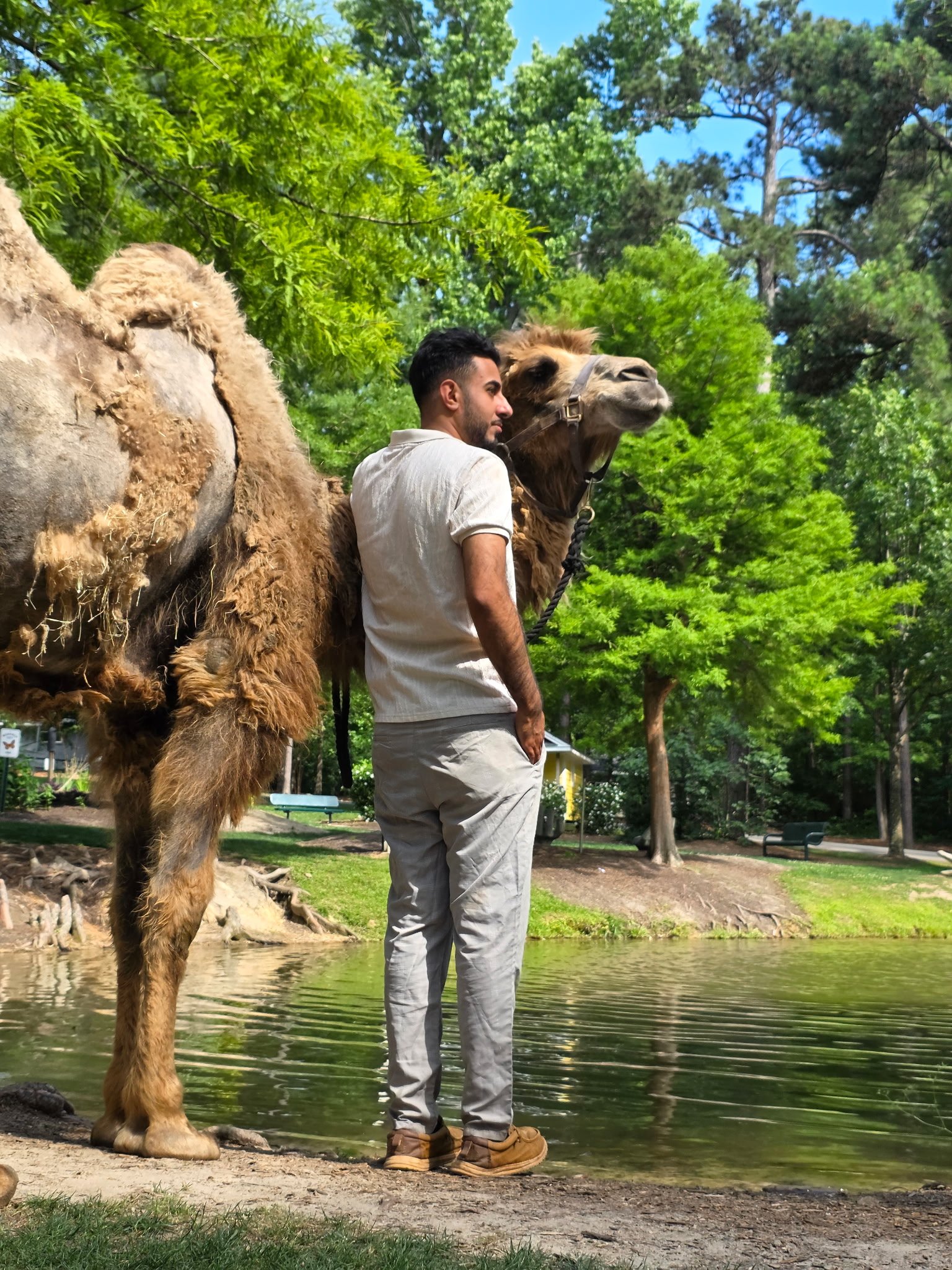
“Love is not just a feeling. It is the ordinary work repeated every day.”
The daily standard
Whenever possible, habitats and routines should give animals options instead of forcing every interaction.
Species biology matters. So does temperament, history, age, preference and the individual standing in front of the keeper.
Cleaning, feeding, observing, maintaining and improving — repeated long after the dramatic rescue story is over.
A commitment for life
The promise is not one perfect moment. It is the next meal, the next check, the next repair, the next enrichment and every day that follows.