People Before Programs.
Long-term conservation depends on trust between keepers, veterinarians, educators, researchers, institutions and communities.
From the field
Wildlife does not recognize property lines, institutions or national borders. Neither can the conversations that shape its future.
Beyond Milele
Milele’s daily responsibility begins with the animals in its care, but the perspective cannot end at the sanctuary gate. Conservation is strengthened by relationships, shared experience, education and conversations with people working for wildlife in different places.
International engagement is presented here as what it is: a network of learning, professional relationships and conservation-minded collaboration — not a claim that one organization can solve wildlife loss alone.
Milele · From the field
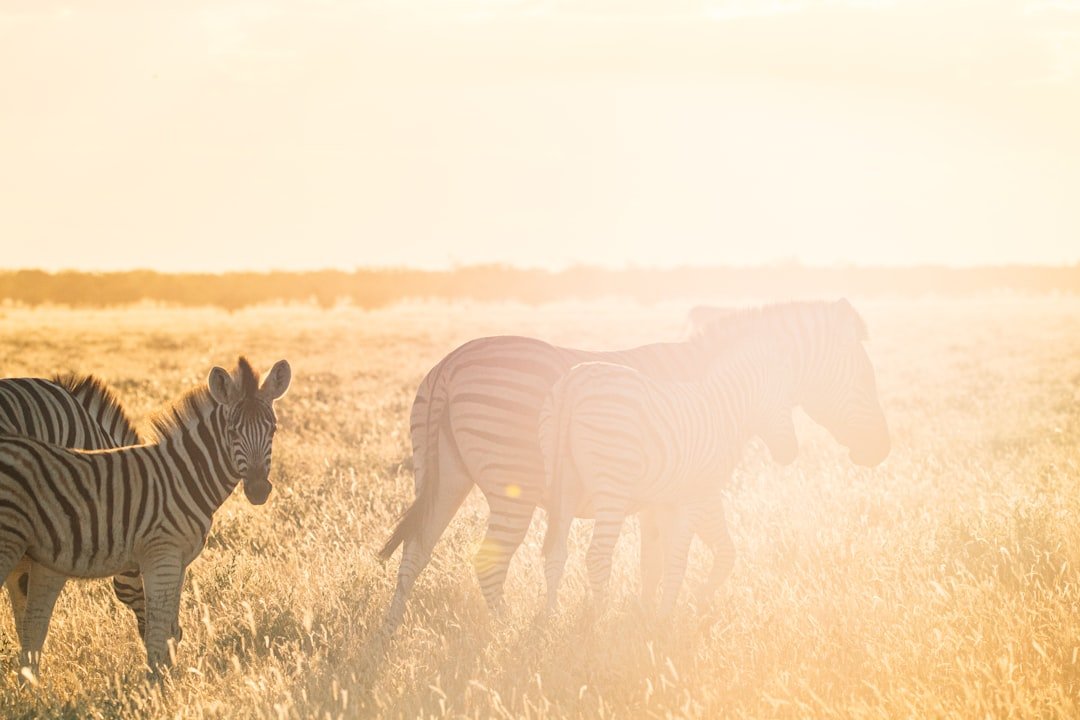
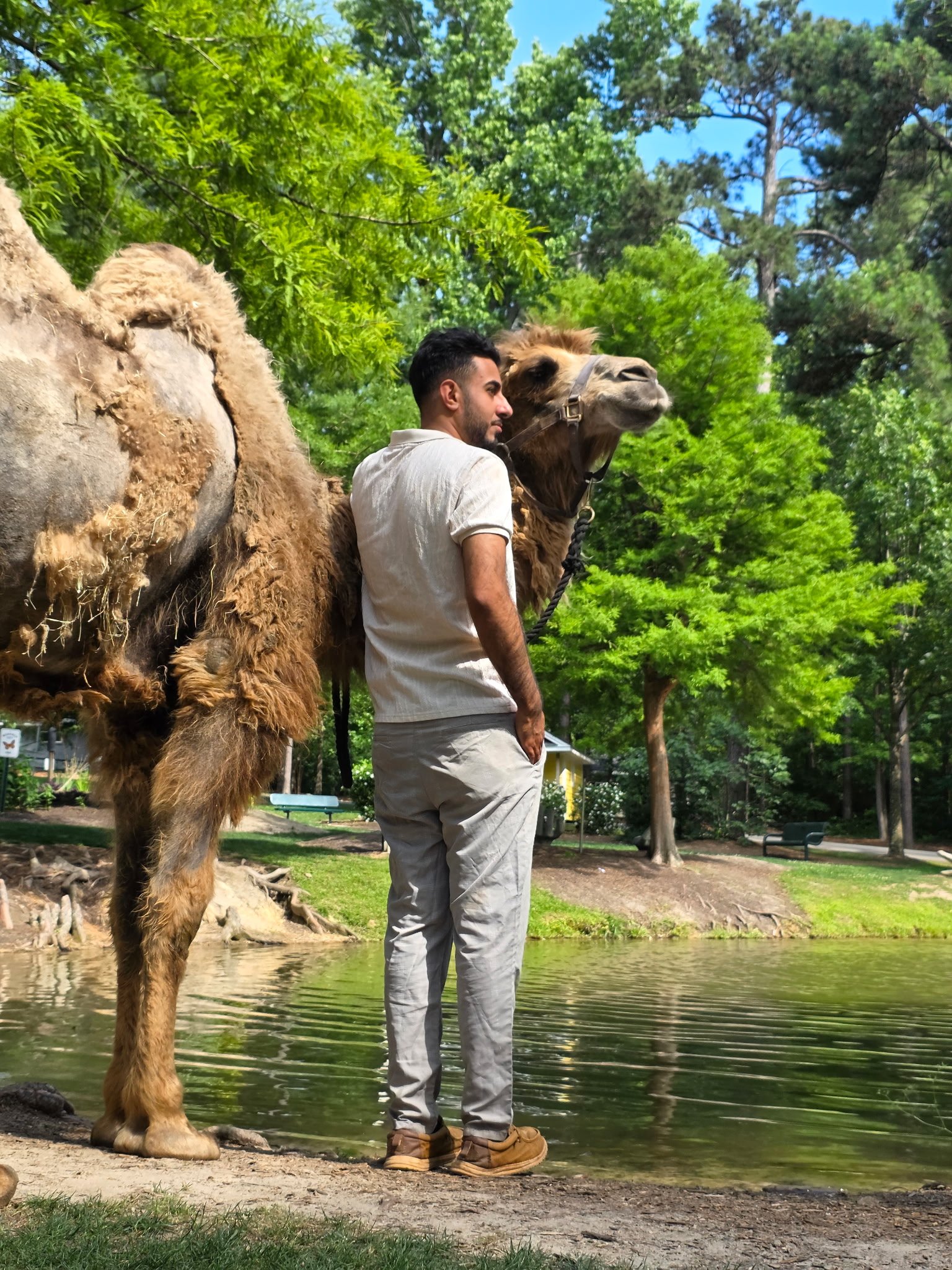
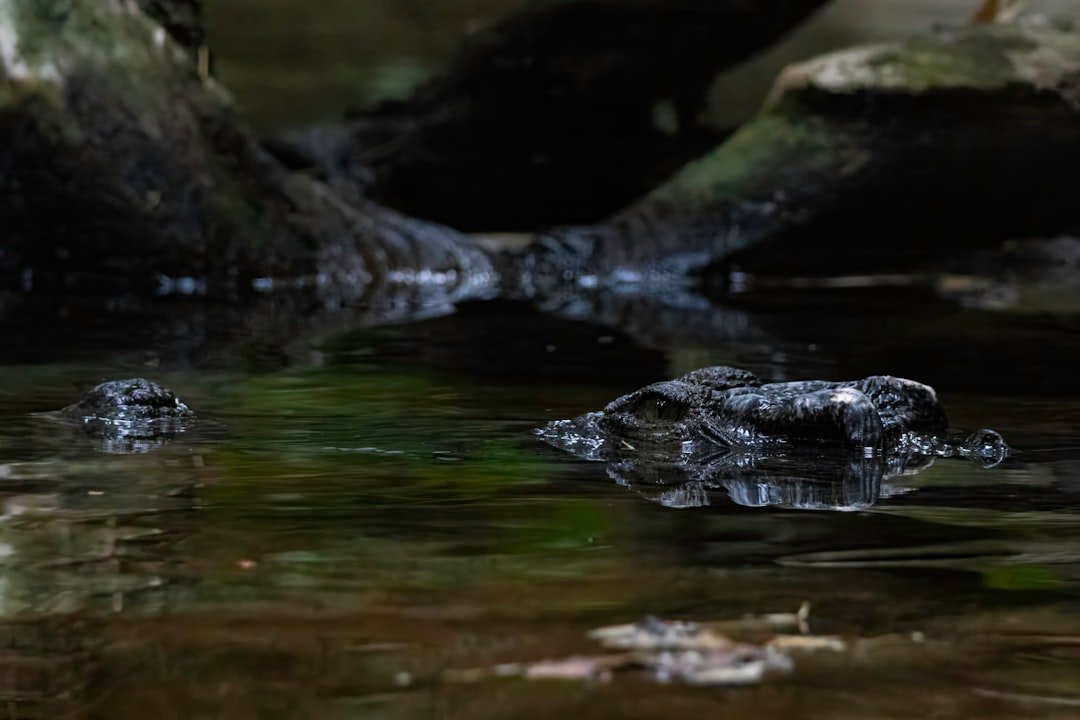
Real photographs from Milele's wider conservation and professional archive — the people, places and conversations that connect sanctuary work to a much larger wildlife world.
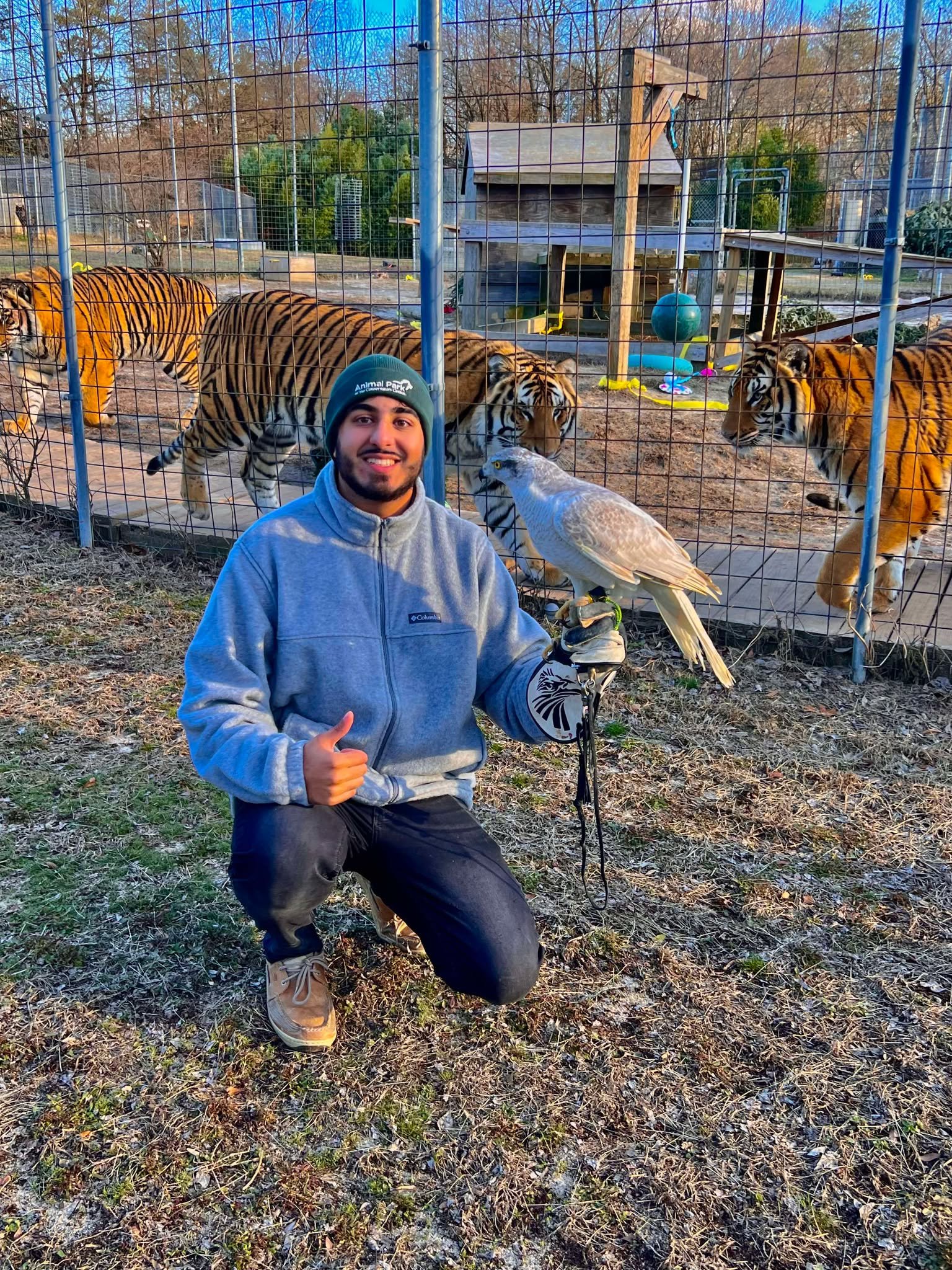
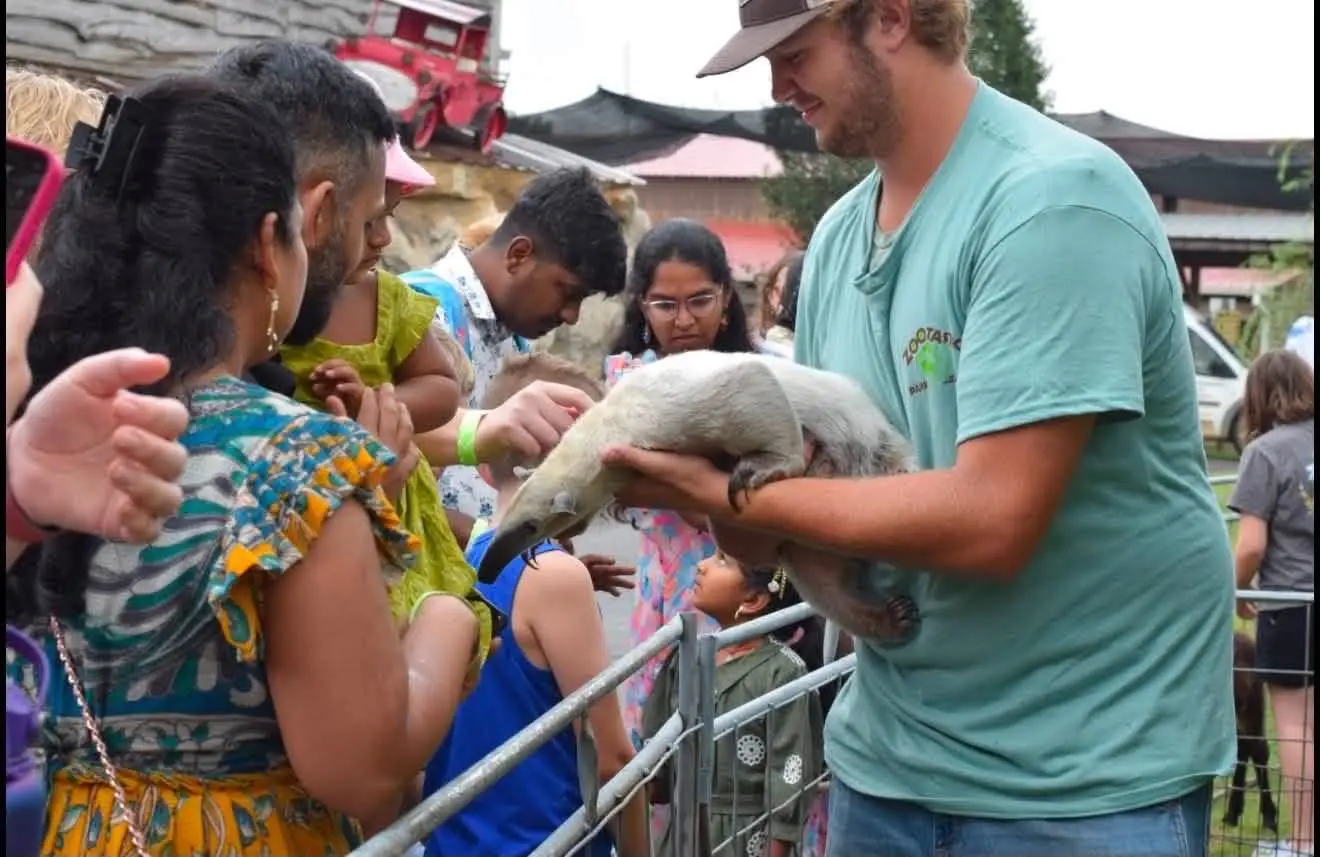
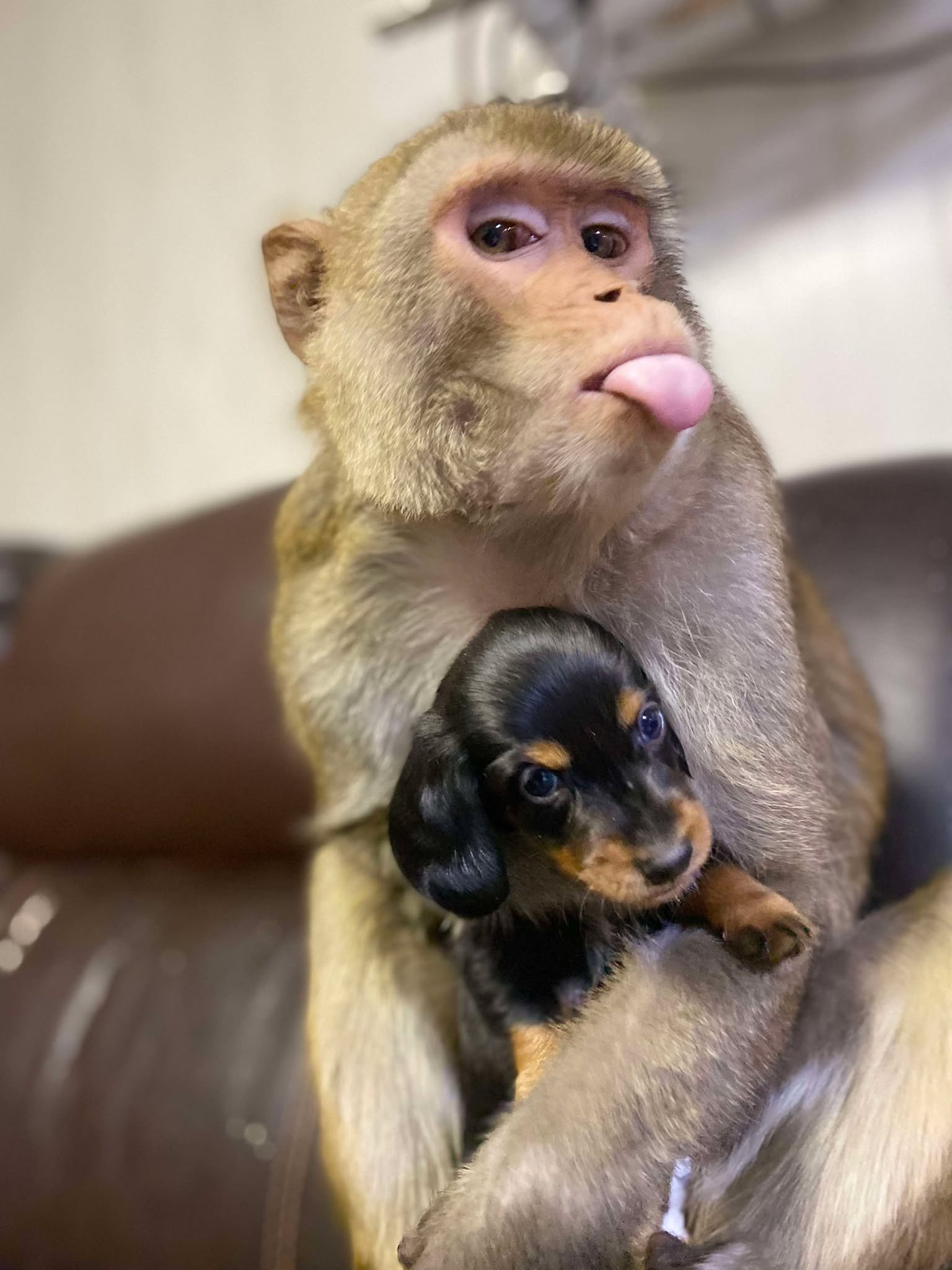
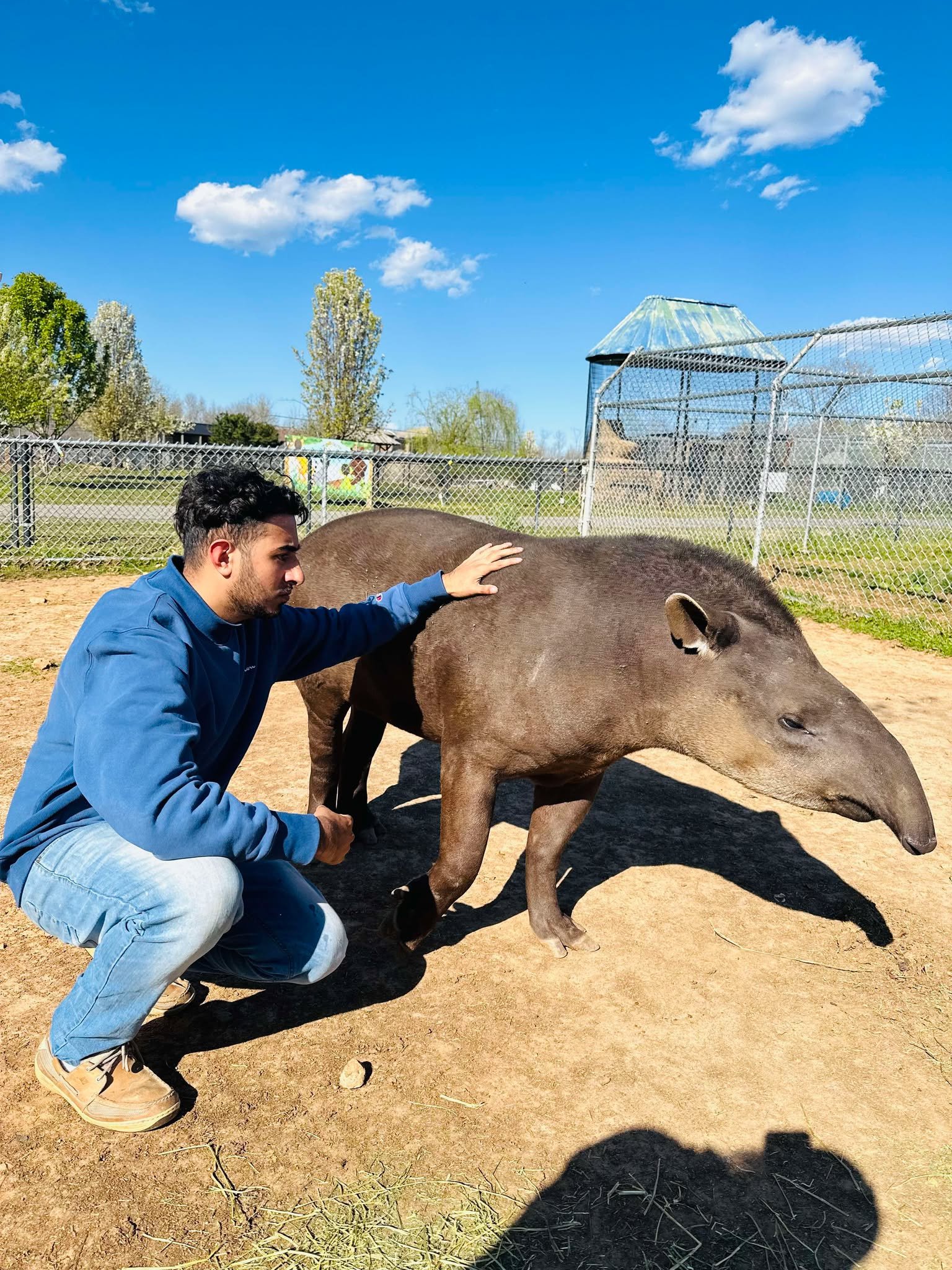
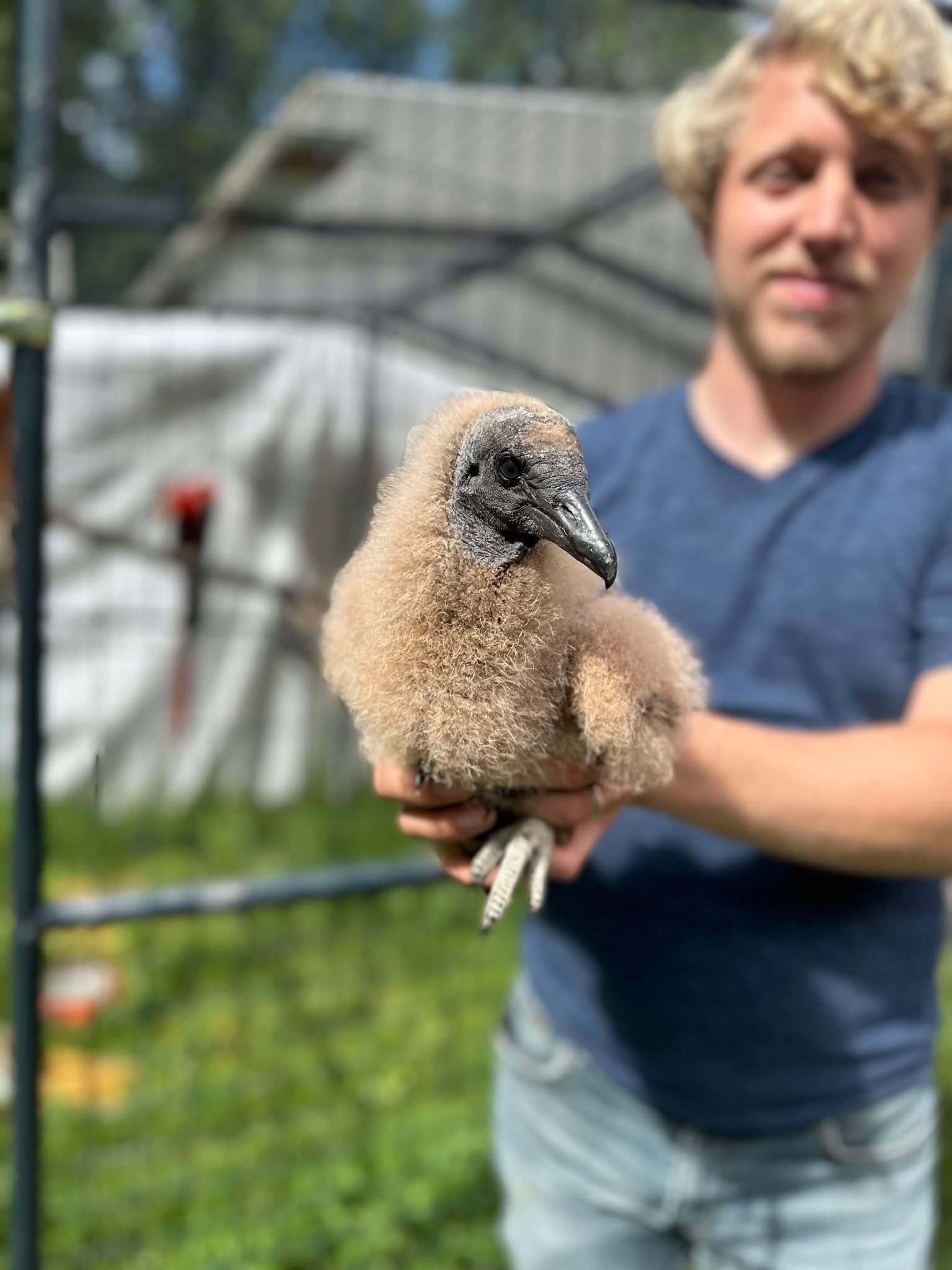
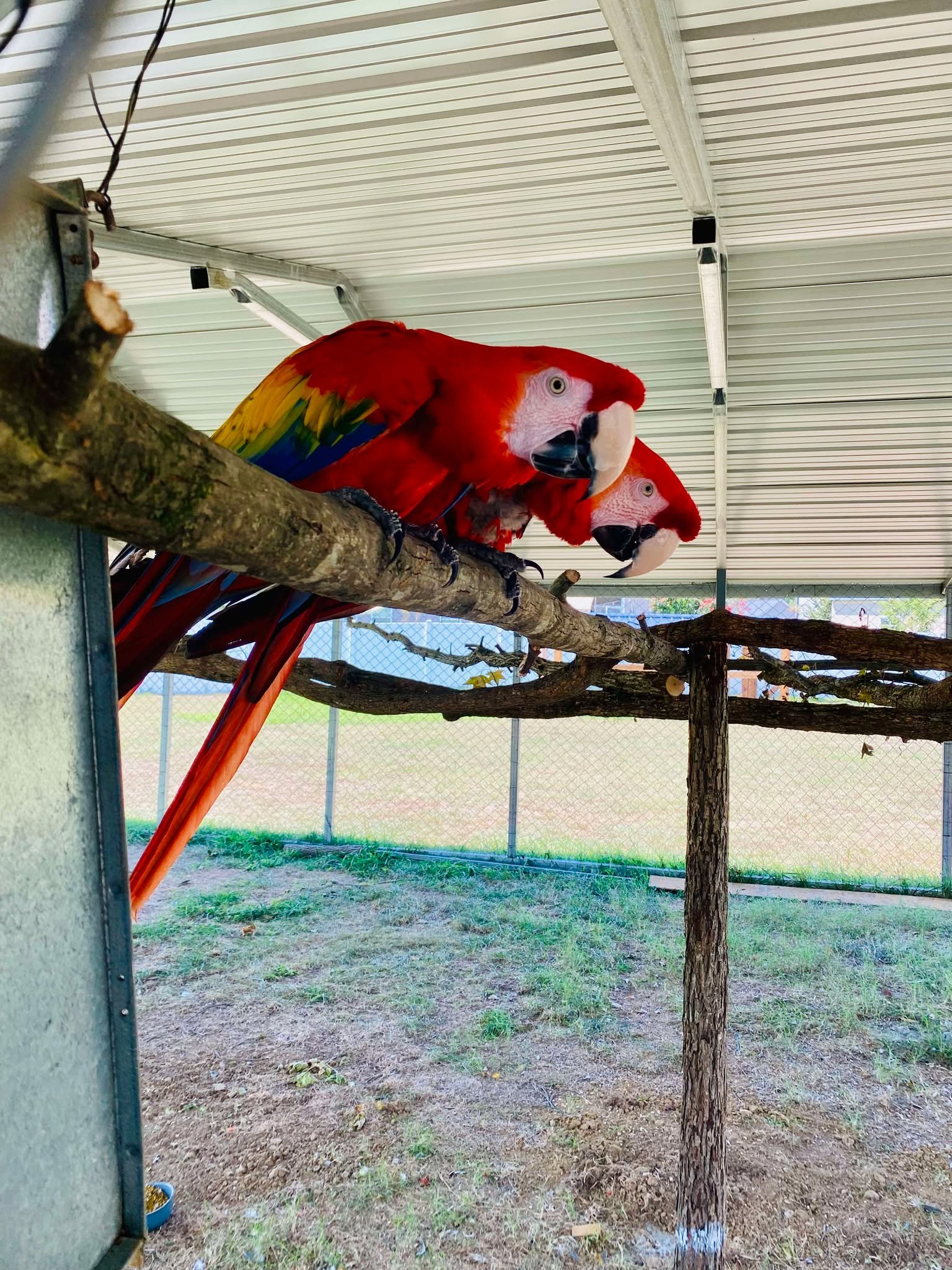
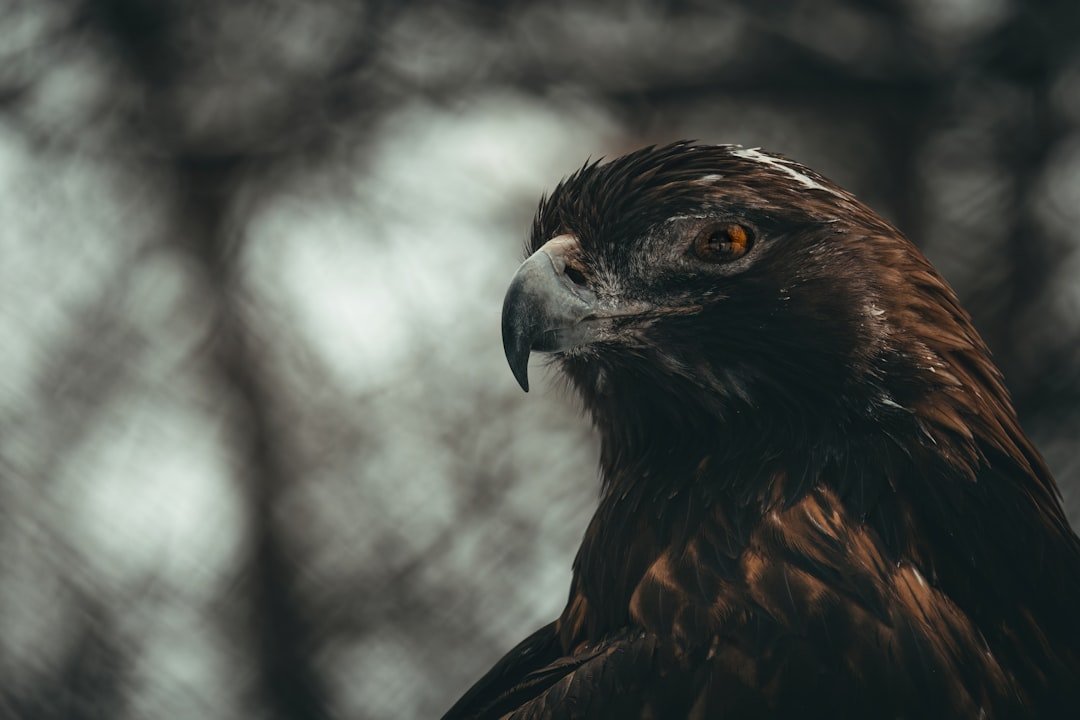
Conservation collaboration
Milele has collaborated with wildlife biologist and conservation communicator Forrest Galante in a conservation context.
The importance of collaboration is larger than any single name. Field experience, public communication and animal-care knowledge reach different audiences and solve different parts of the same problem. Bringing those perspectives together can make conservation more visible and more understandable.
See collaborations ↗“Protecting wildlife requires people willing to learn from one another.”
The international conservation framework
Long-term conservation depends on trust between keepers, veterinarians, educators, researchers, institutions and communities.
Animal care, husbandry, rescue experience and communication become more useful when knowledge moves between organizations.
Captive care, habitat protection, education, rescue and field conservation are different pieces of a much larger wildlife story.
International relationships
International conservation engagement can include visiting wildlife facilities, meeting professionals, comparing approaches to animal management and discussing the challenges different regions face.
Milele’s standard for telling those stories is precision. Where a specific project, institution or species is named, the website will describe Milele’s actual role rather than inflate a visit into a claim of ownership over someone else’s conservation work.
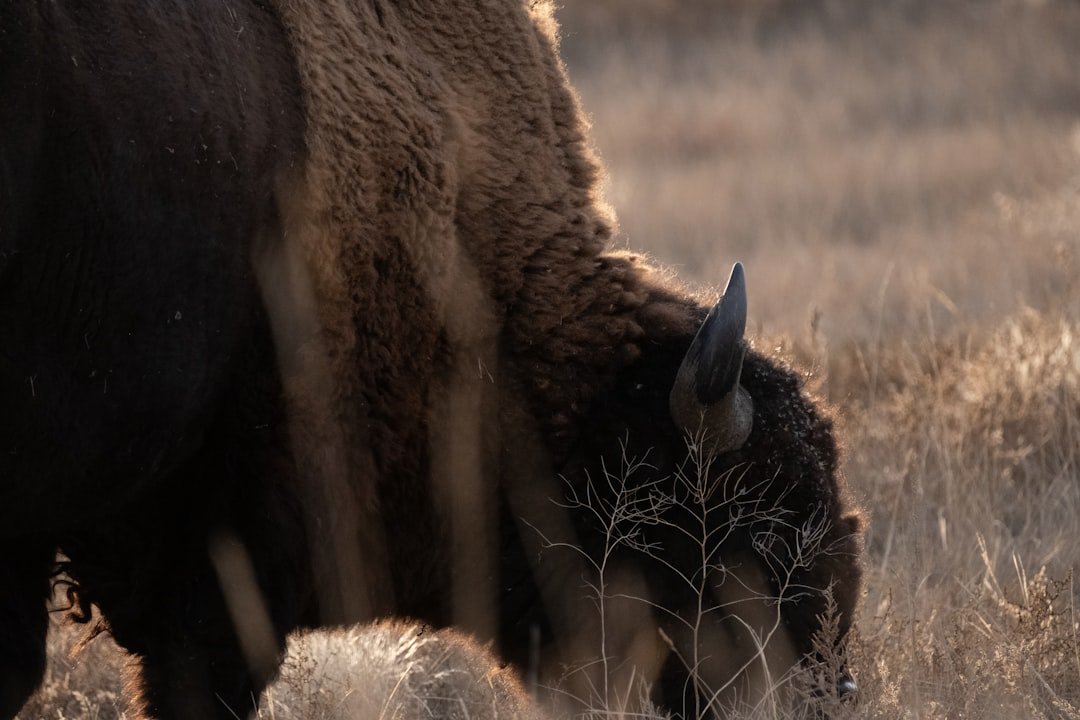
A field journal, not a trophy case
As Milele documents specific conservation relationships, field visits and international projects, this page will grow into a living field journal: photographs, locations, people, species and the practical lessons that came home with us.
The goal is not to look global. The goal is to make global relationships useful to the animals and communities they ultimately serve.
From one place to another
Conservation is not a destination. It is a practice of paying attention, sharing knowledge and making the next decision better.