What Happened?
Stabilize the animal, understand the injury and determine what immediate care is needed.
Wildlife rescue & rehabilitation
The best outcome is a return to the wild. When that is no longer safe, responsibility does not end — it changes.
Release when possible
Wildlife rehabilitation is different from sanctuary. A native wild animal that can safely recover and return should not become a permanent resident simply because people have grown attached.
The work is to assess, stabilize, treat, rehabilitate and release when release is genuinely safe. Some injuries, however, permanently change what an animal can survive.
The difficult question
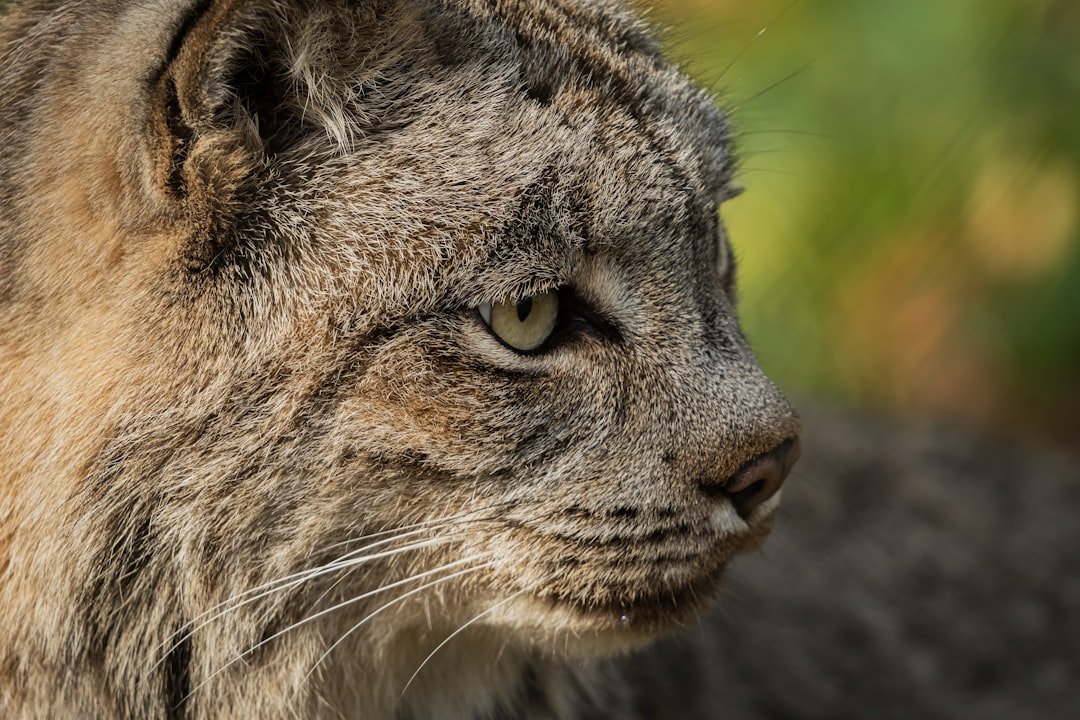
An animal can survive an injury and still lose something essential to life in the wild: flight, speed, vision, coordination, fear of people or another ability required to find food and avoid danger.
That is why the question cannot simply be, “Is this animal alive?” The better question is, “Can this animal live safely and independently in the wild?”
“Not every rescue ends with release. Every decision should still begin with welfare.”
The rehabilitation path
Stabilize the animal, understand the injury and determine what immediate care is needed.
Treatment and rehabilitation focus on restoring the functions and behaviors required for independent life.
Release is appropriate only when the animal can reasonably survive without ongoing human support.

When release is not safe
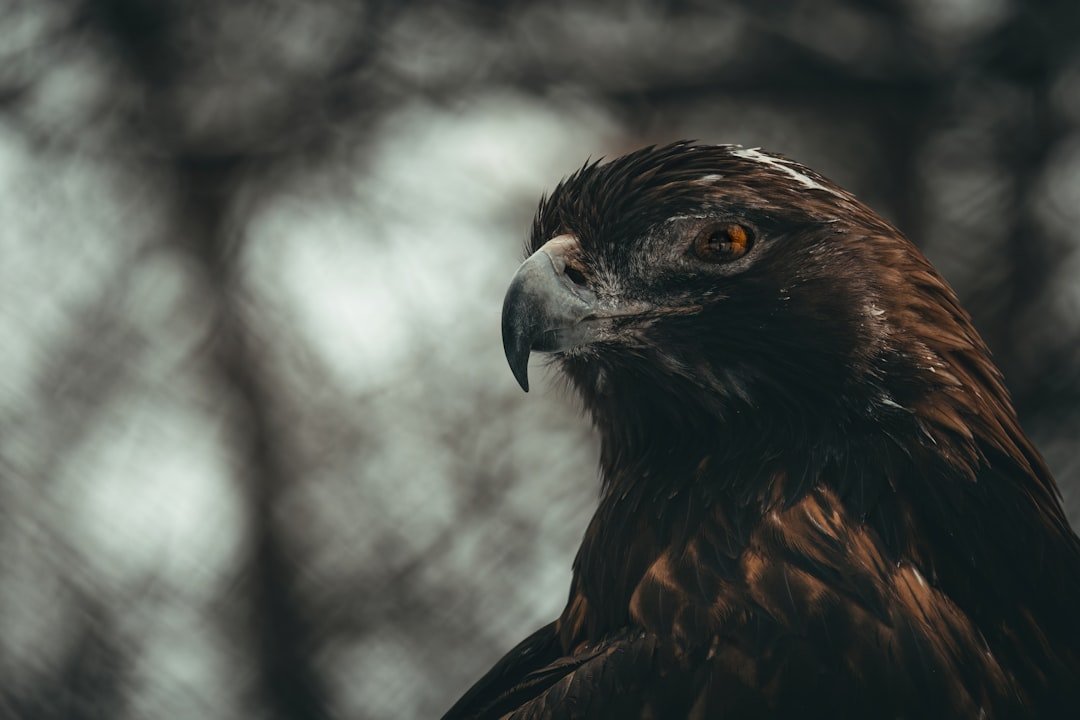
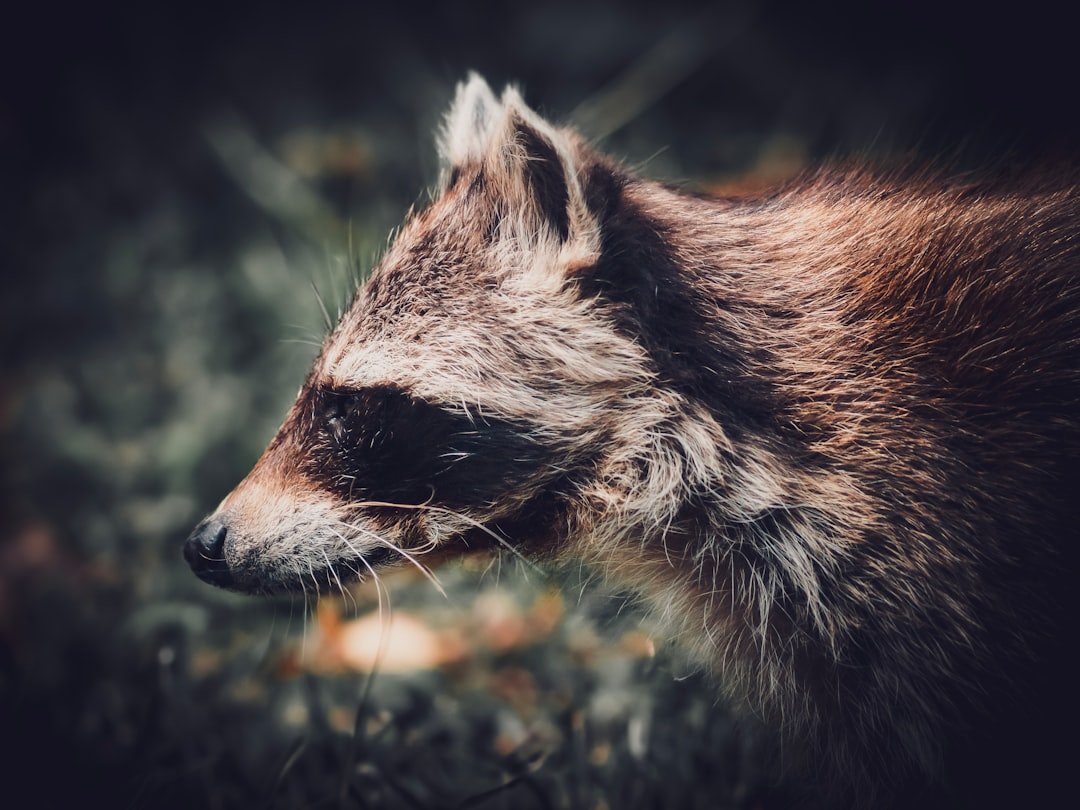
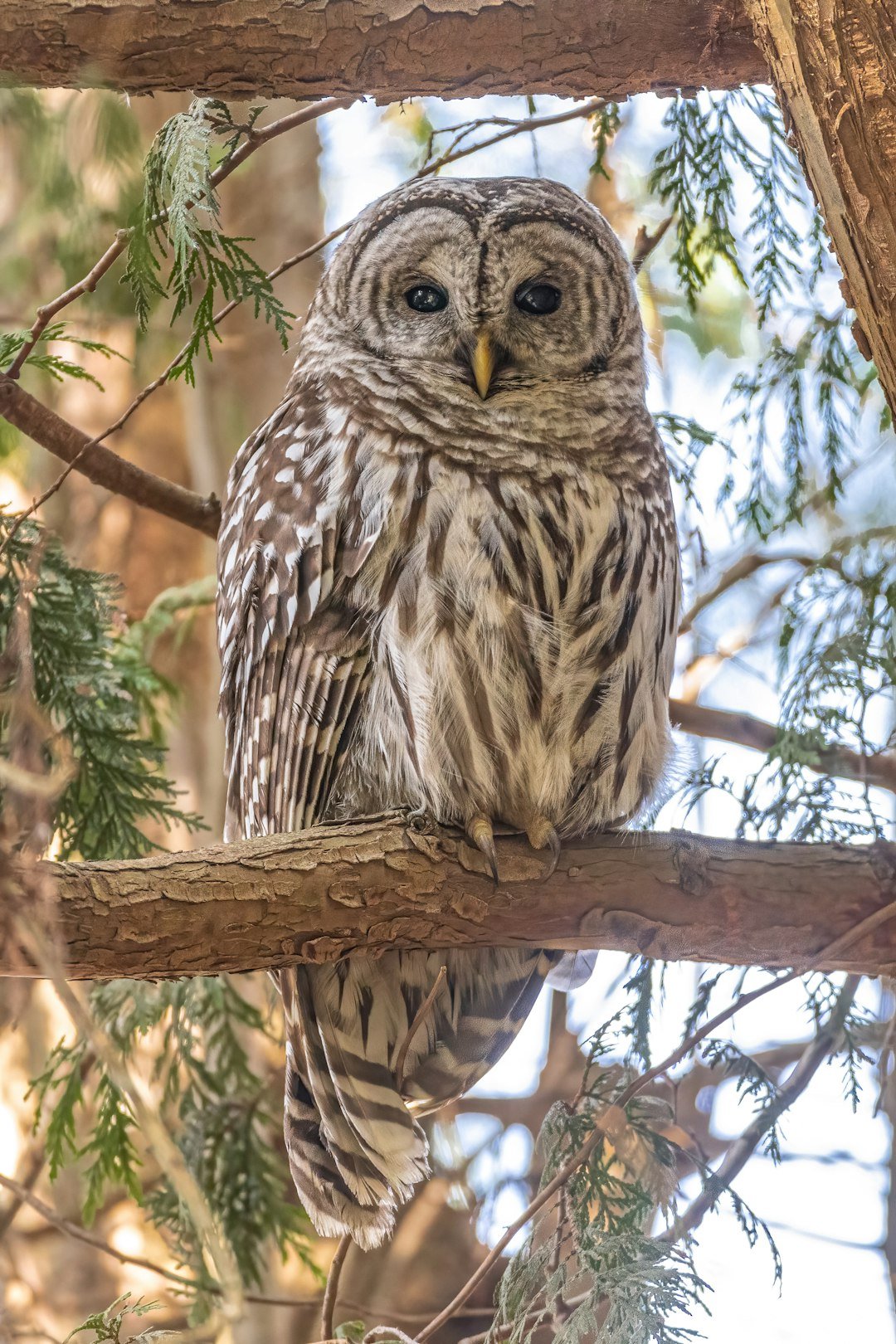
If a permanent injury makes life in the wild unsafe, the responsibility changes from preparing for release to building appropriate lifelong care.
That means habitat, nutrition, veterinary oversight, enrichment, observation and a standard of welfare that recognizes the animal’s limitations without reducing the animal to them.
See Lifelong CareThe standard
Release is not the emotional ending we choose. It is the outcome the animal can safely live.